The Female Executive's Guide to Tailoring
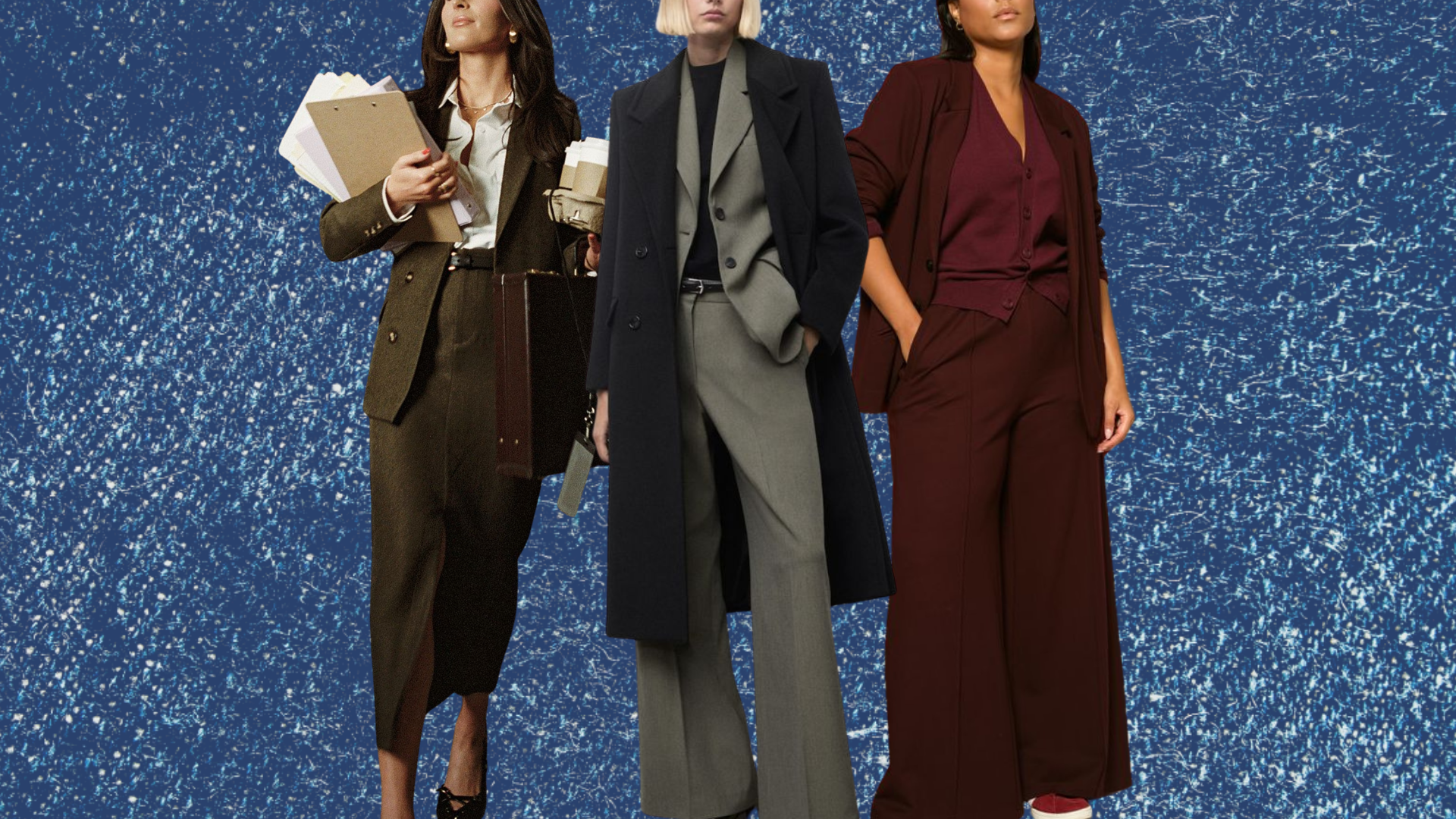
Ladies, I know your secret, and don't even try to deny it. You're scared of tailors, aren't you?
Not only is your secret safe with me, but you'd be shocked by how many people feel the same way.
Getting clothes altered can be a very intimidating affair, especially if you have insecurities about your body shape.
Yet, facing a tailoring fear head-on can drastically increase your confidence. The better your clothes fit, the better you'll feel wearing them!
Let's go over a few simple tips to tackle this phobia.
A Guide to Tailoring - What Clothes Should You Get Altered
The first thing to consider when planning a visit to the tailor is what to bring. The big question is, which items require tailoring, and which items are beyond repair?
Items most commonly altered by tailors are:
Blazers & Jackets
Trousers & Pants
Dresses & Skirts
Coats & Outerwear
Minor adjustments, like hemming or sleeve adjustments, are far less costly and time-consuming. Major adjustments, like restructuring a coat or dress, will take longer and cost more, but often just as valuable to invest in.
When you find a good tailor, they will help advise you on what's necessary.
How to know when to quit on a garment and not get it tailored?
Let's say a garment you've had for years is falling apart, cheaply made, and in need of expensive repairs, is it really worth time and investment?. I
Most of the time, it's far better to look for something new than to spend more on trying to revive a "dead" piece.
Garments made from very delicate materials or heavily embellished fabrics are much harder to work with.
If it's more than two sizes to alter, it most likely will lose its original shape.
Ask your tailor for their opinion in different circumstances.
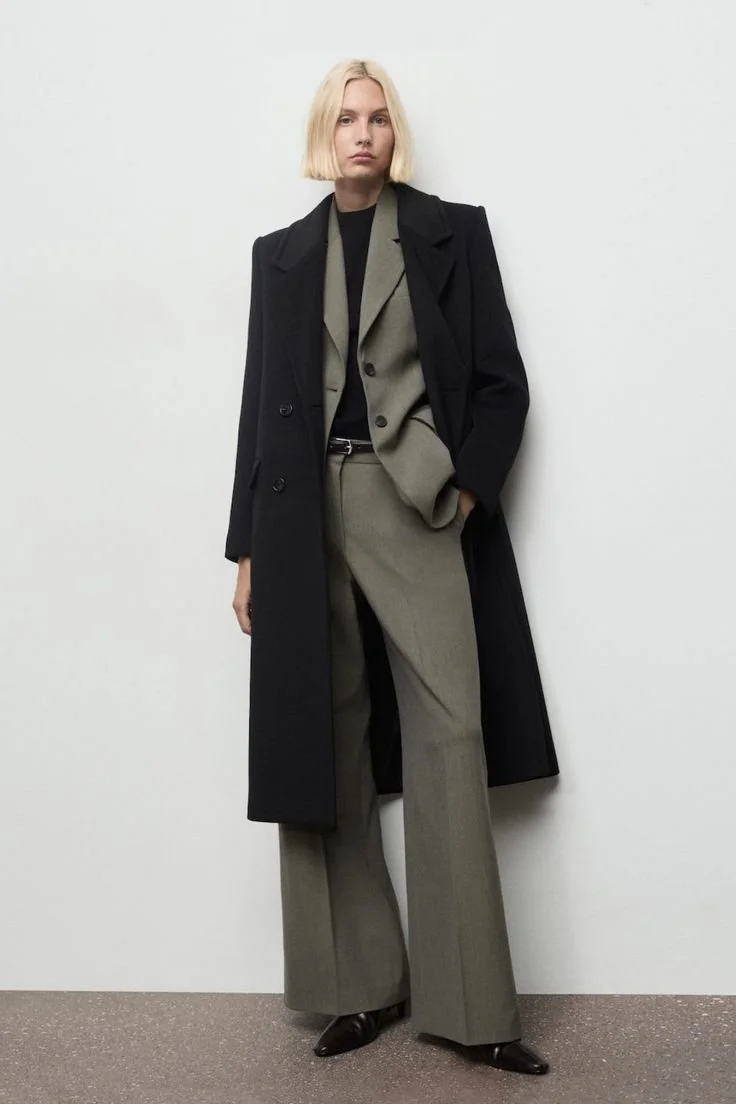
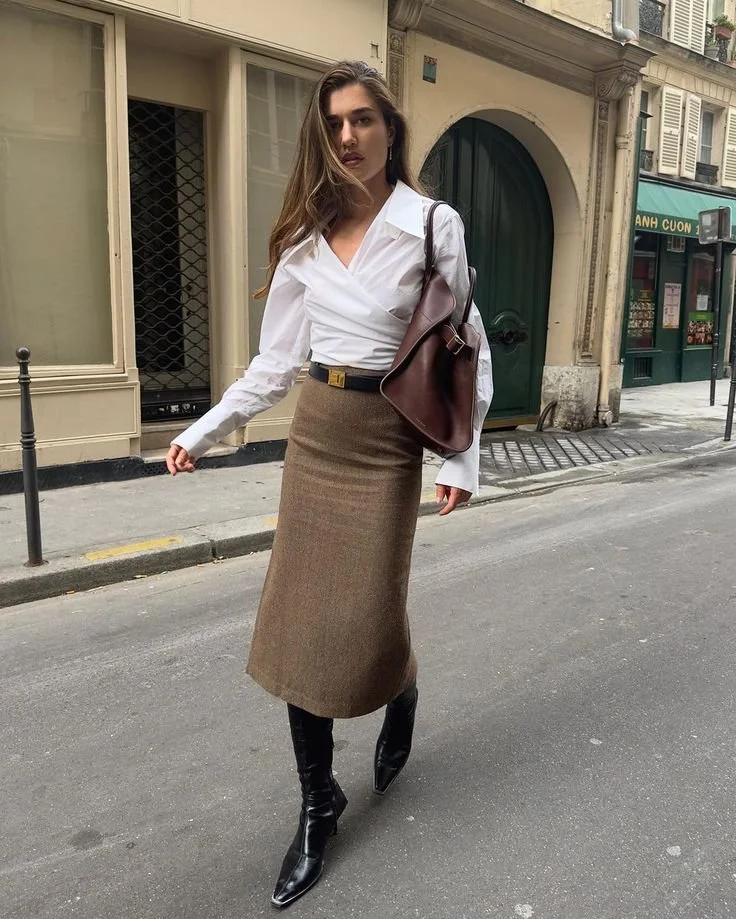
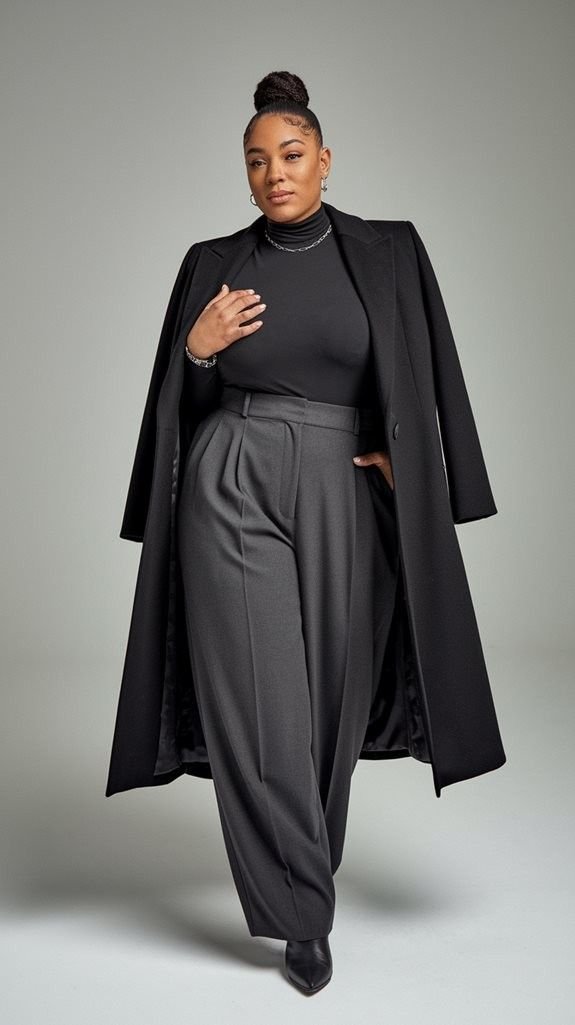
A Guide to Tailoring - Preparing for the Tailor
Believe it or not, prepping for the tailor can make the experience even smoother. There are a few things you can do to make sure your appointment is as efficient and effective as possible.
Wash or iron your garments so the fabric drapes correctly
Wear modest, well-covered undergarments so you can work hands-on with your tailor without feeling self-conscious
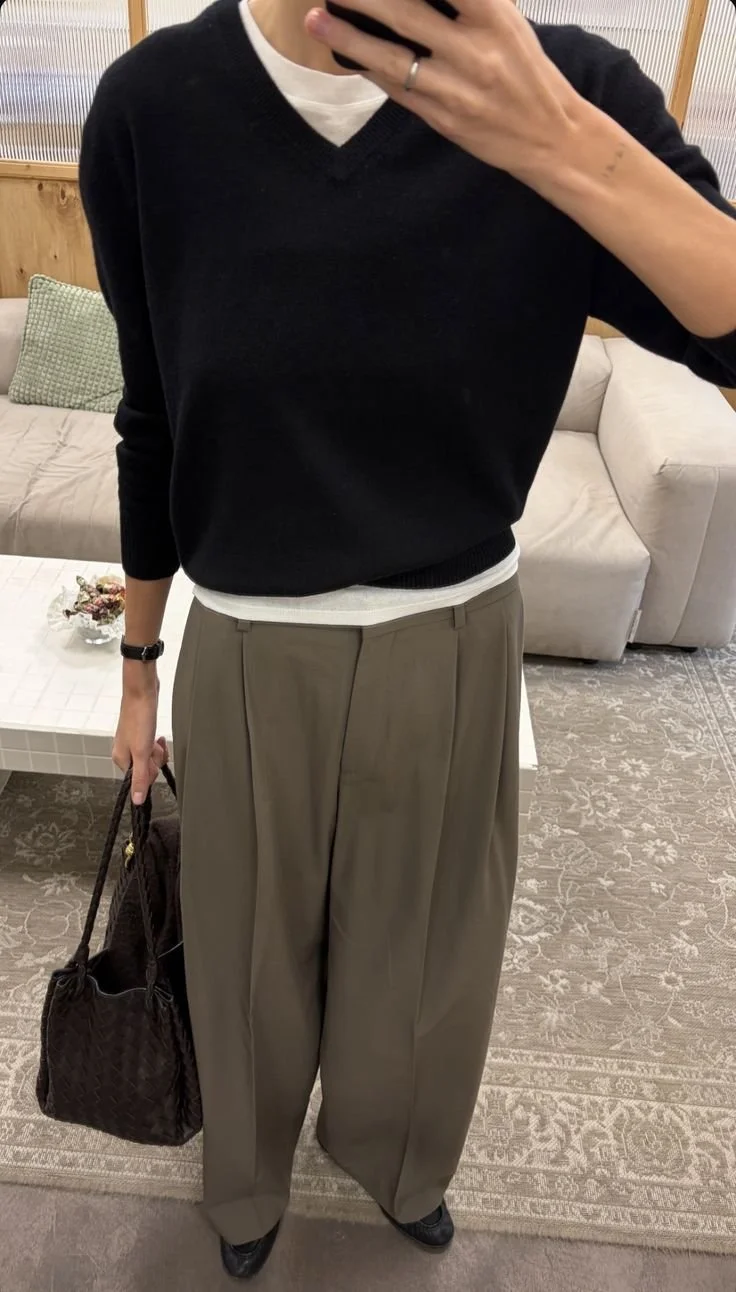
Bring the shoes you're planning to wear with the garment to get the proportions right
Bring any necessary replacement pieces like buttons, zippers, or lining materials
A Guide to Tailoring - Communicating with your Tailor
This is not the time to be a yes-man or to let people-pleasing get the better of you.
Think back to all the times you've stayed silent during a bad haircut and regretted it for months. Tailoring is even more final! Once clothing is altered, it can be hard to undo.
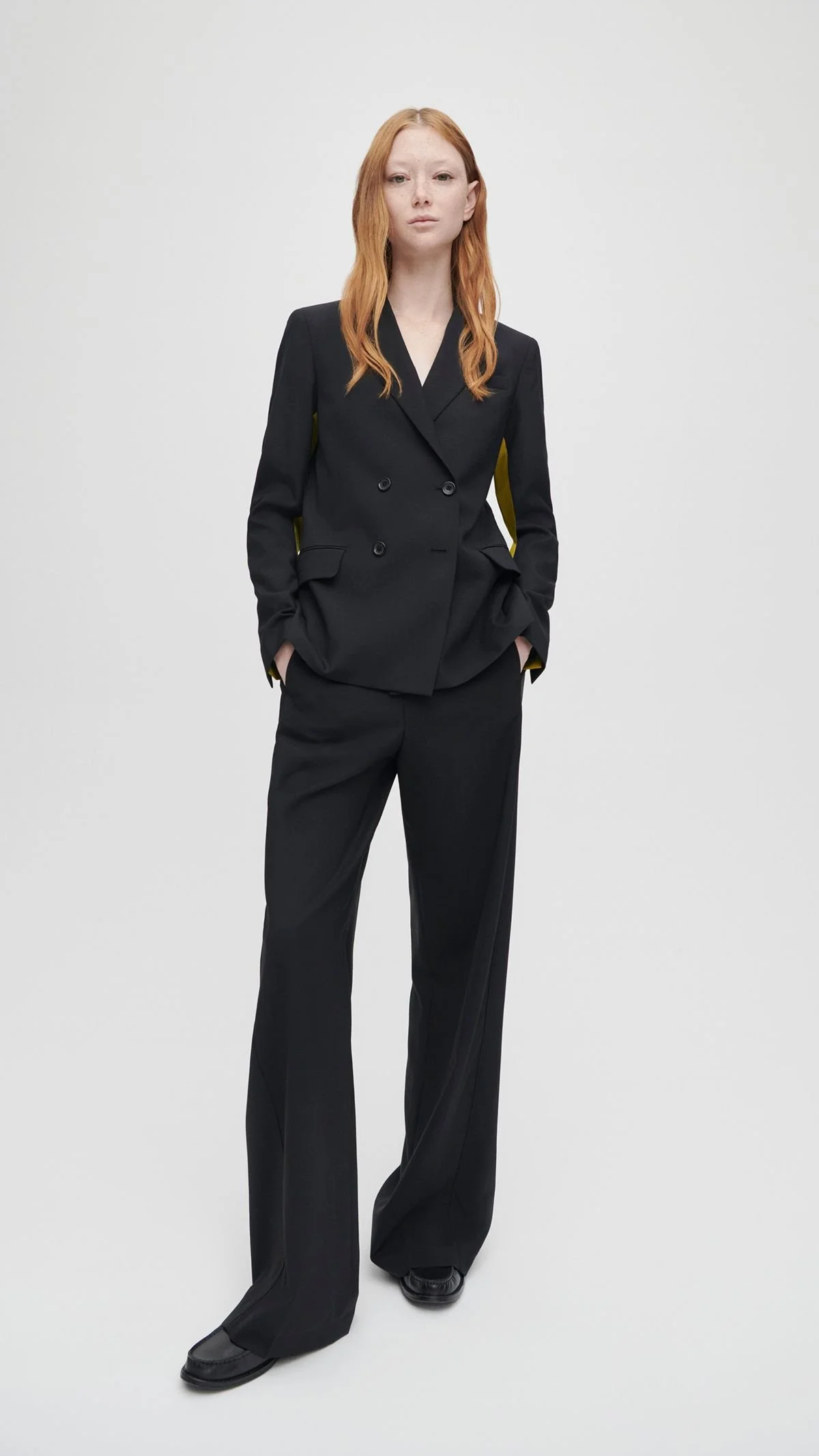
Bring photos or inspiration if the fit you're looking for is specific
Describe your style preferences
Ask questions about fabric limitations or style adjustments
Don't be afraid to speak up and make sure your vision is clear
The clearer your instructions, the happier you'll be with the final result.
A Guide to Tailoring - Understanding Measurements and Fit
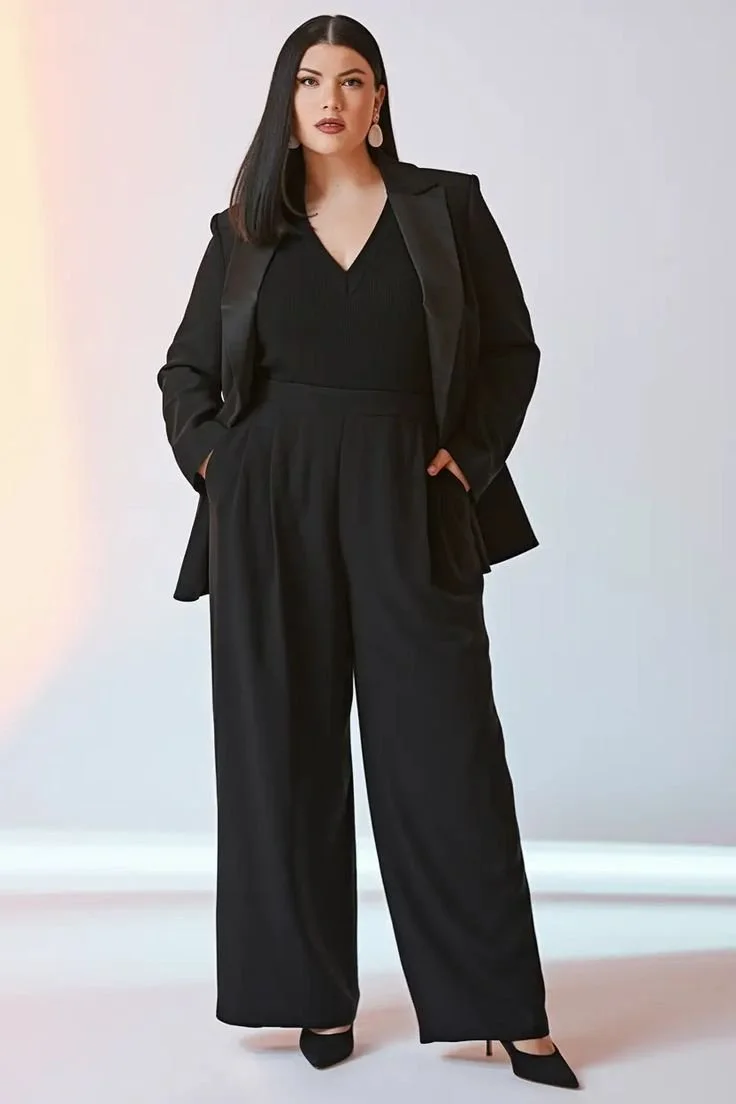
If you want to take advantage of your tailor, get them to measure you so you have updated sizing and can use that for shopping and other alterations.
Key measurements to note include:
Bust
Waist
Hips
Inseam
Sleeve length
Shoulder width
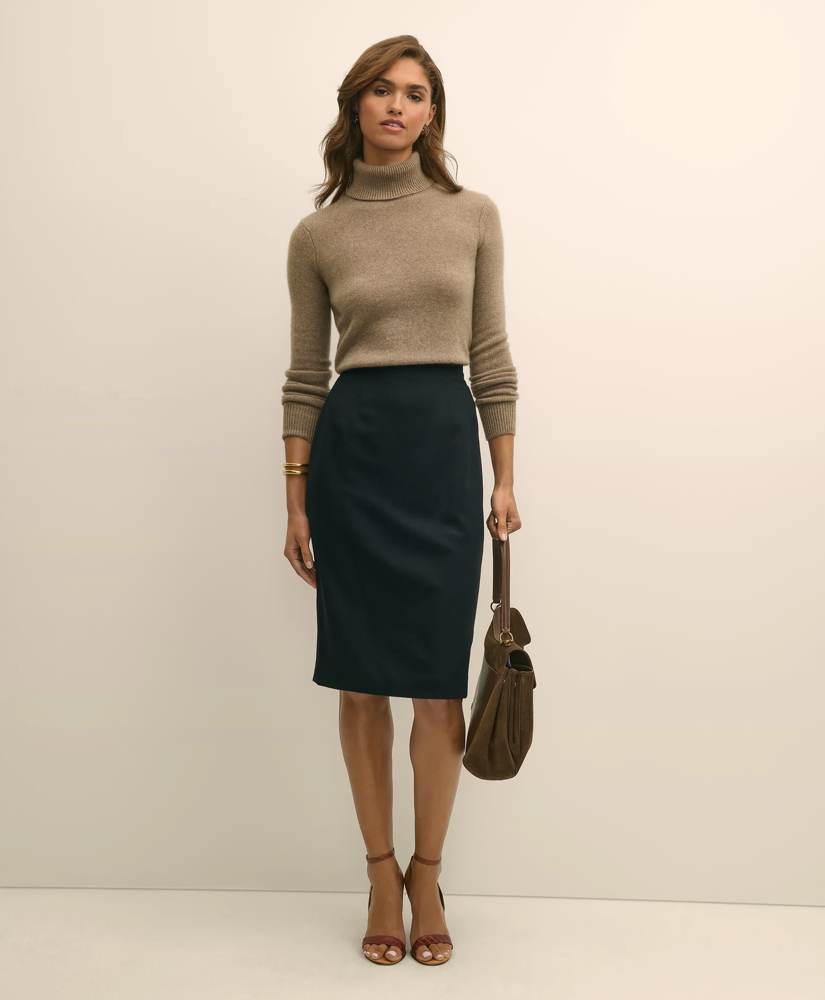
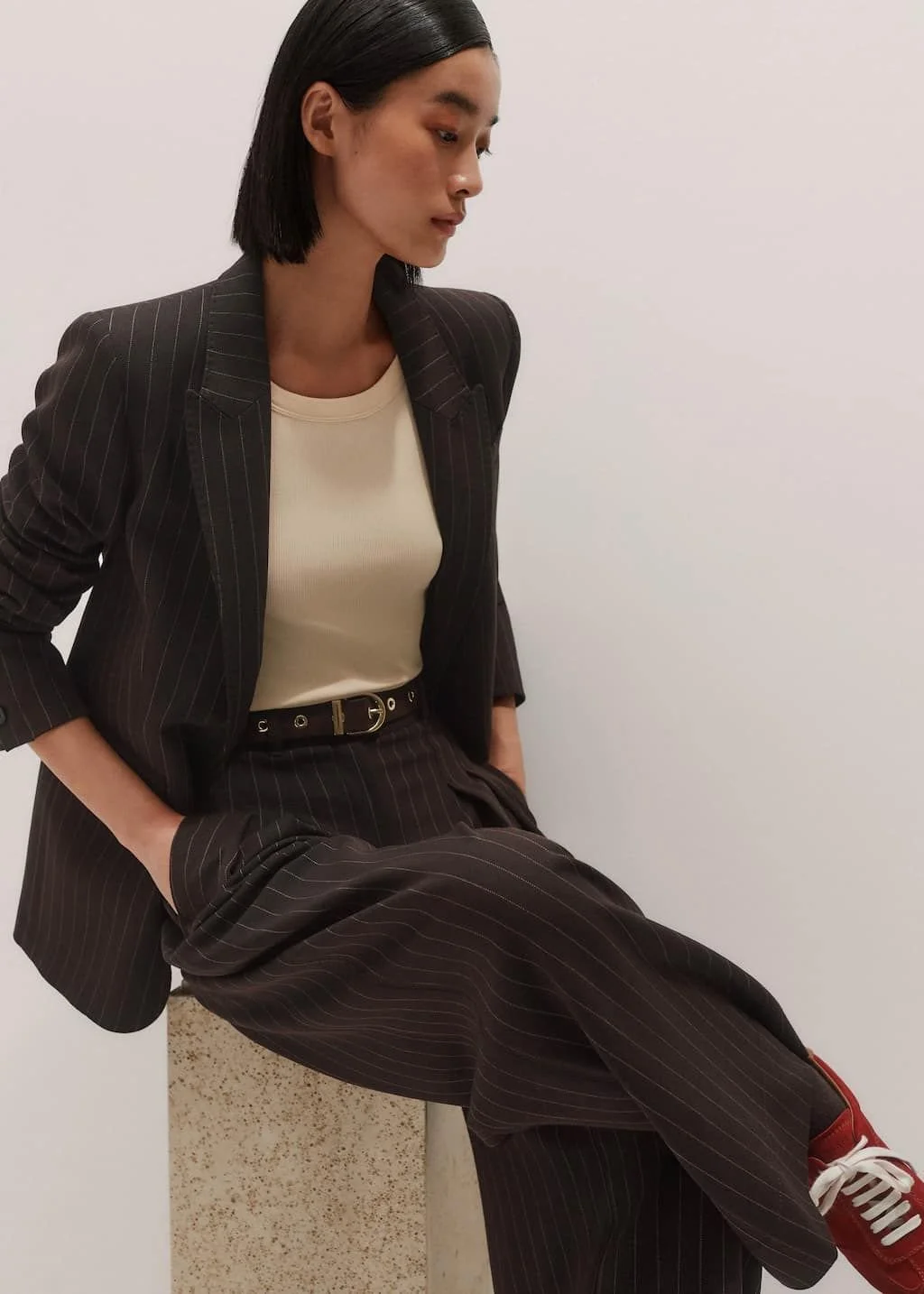
A Guide to Tailoring - Building a Relationship with Your Tailor
Developing rapport with your tailor really pays off over time.
Regular visits will improve your wardrobe and help you understand your fit preferences. If you're friendly with your tailor and visit often, they're more likely to remember your preferences/measurements.
This makes alterations drastically easier over time.
Tailors provide great tips on fit, style, and garment care that can save you time and money. Don't be afraid to seek their expertise!
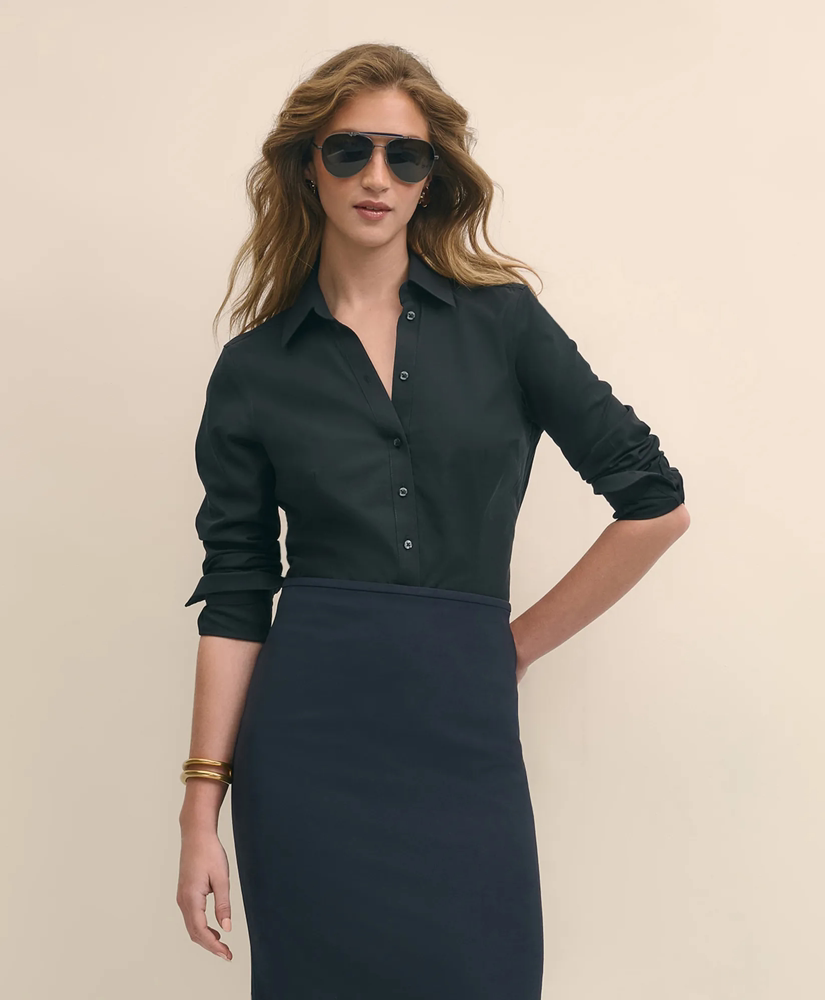
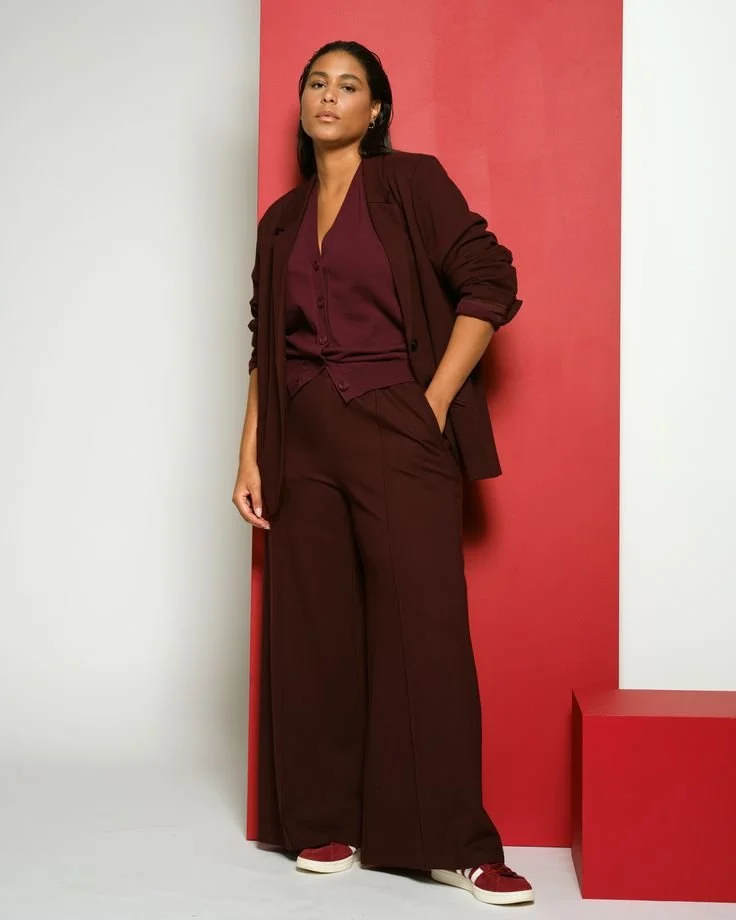
Visiting a tailor doesn’t have to be intimidating. Tailoring is ultimately a tool for empowerment, so don't let it intimidate you!