What Fabrics to Invest in For Better Leadership Presence
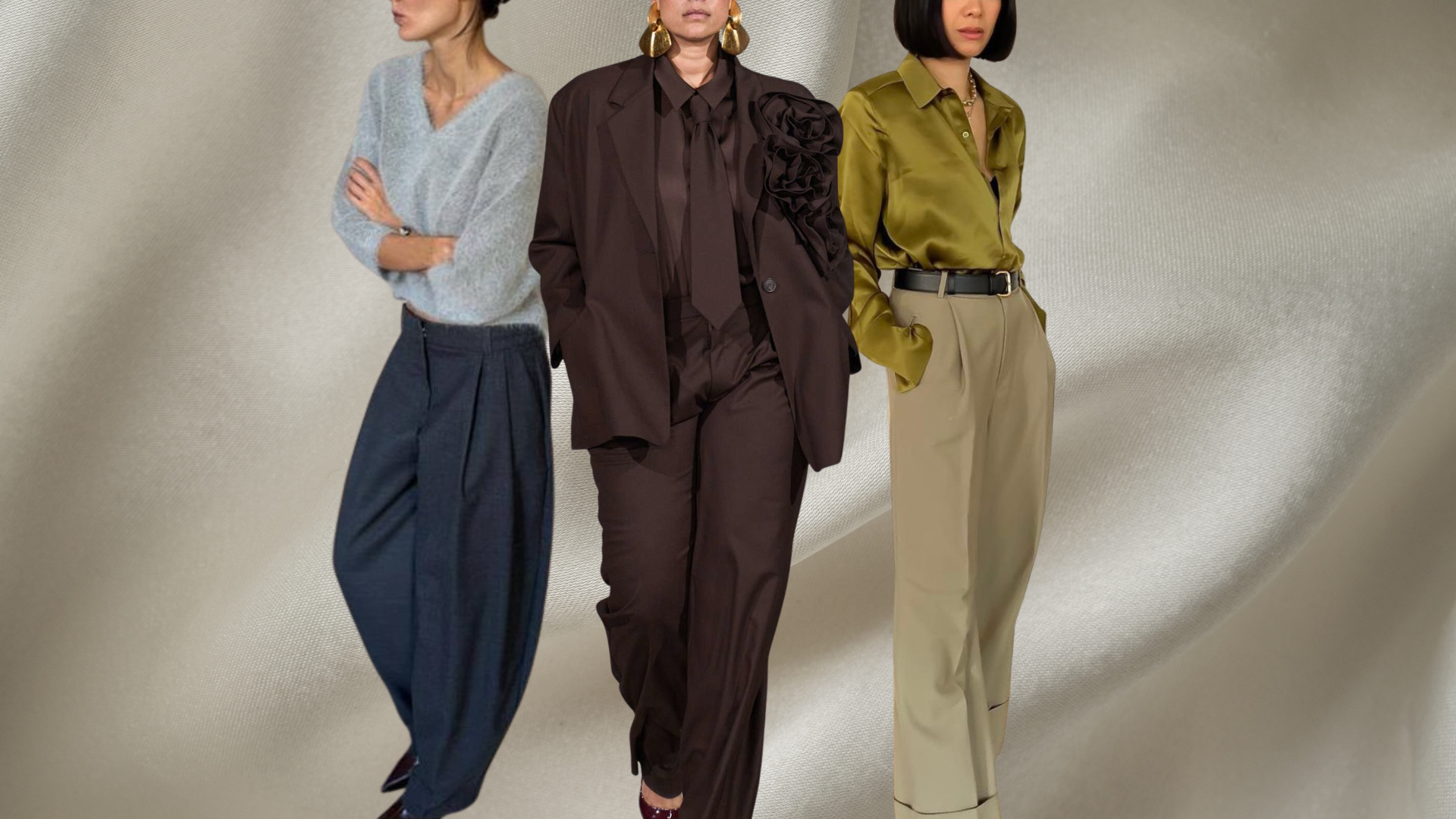
We've all bought a blazer from some shady online store, only to put it on and feel like one wrong move will unravel the whole thing.
This isn't just in your head.
Right now, trends are changing quickly than ever, and convenience culture is taking over the industry.
Garment production is all about speed and keeping costs low rather than making pieces that will last. This is why everywhere you look, you see low-quality polyester blends.
Finding high-quality pieces, even in high-end stores, is much more challenging than it ever has been. With a few simple tricks, you can still build a better, long-lasting wardrobe. Let's dive in.
Dressing Professionally with Shopping for High Quality Fabrics
The number one thing to look out for when adding to your wardrobe is fabric blend.
also
Polyester and synthetic blends are everywhere because they're cheaper to produce. Not only do these blends degrade over time, but they also tend to drape poorly on the body. This is why poorly made garments have that thin, awkward shape to them!
To avoid this and command authority in the office, look for garments that don't have synthetic materials. Look for a percentage of less than 50% polyester or other man-made fabrics. Ideally, it should be real fabric like cotton, leather, linen, wool, or cashmere, but alas, start with at least 50%.
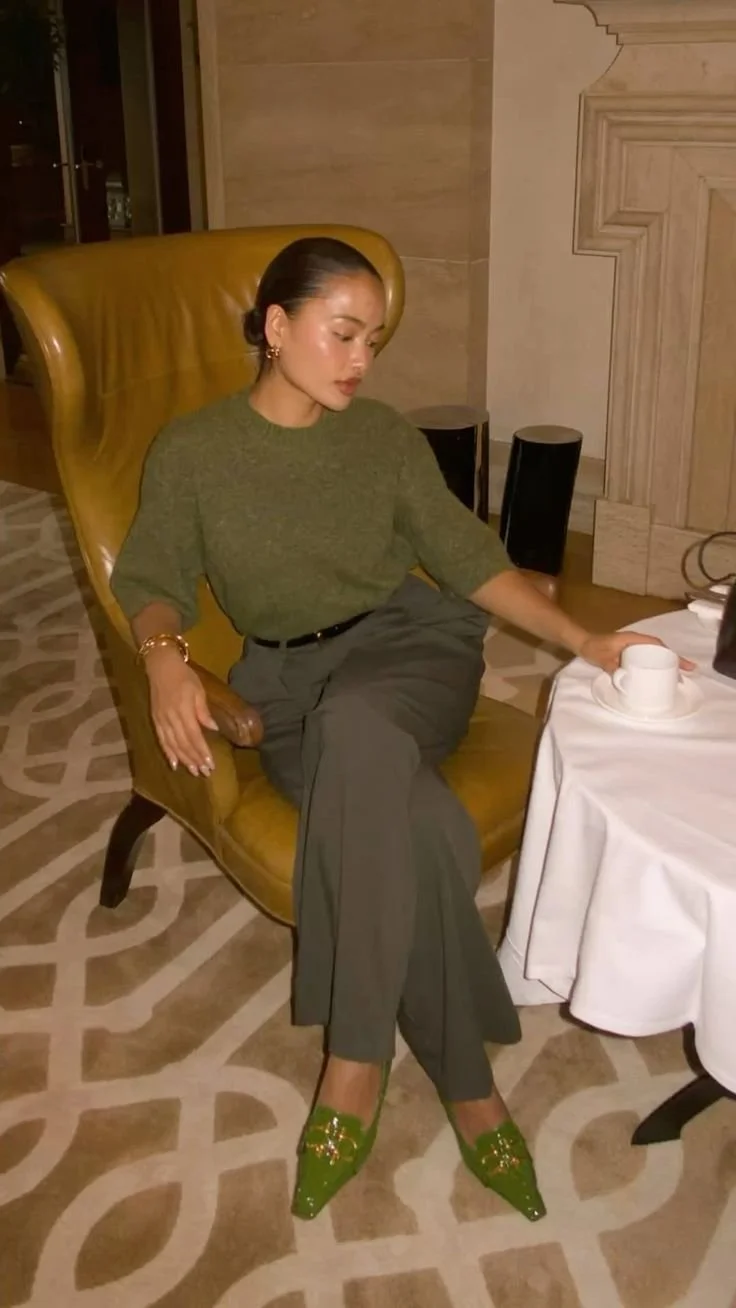
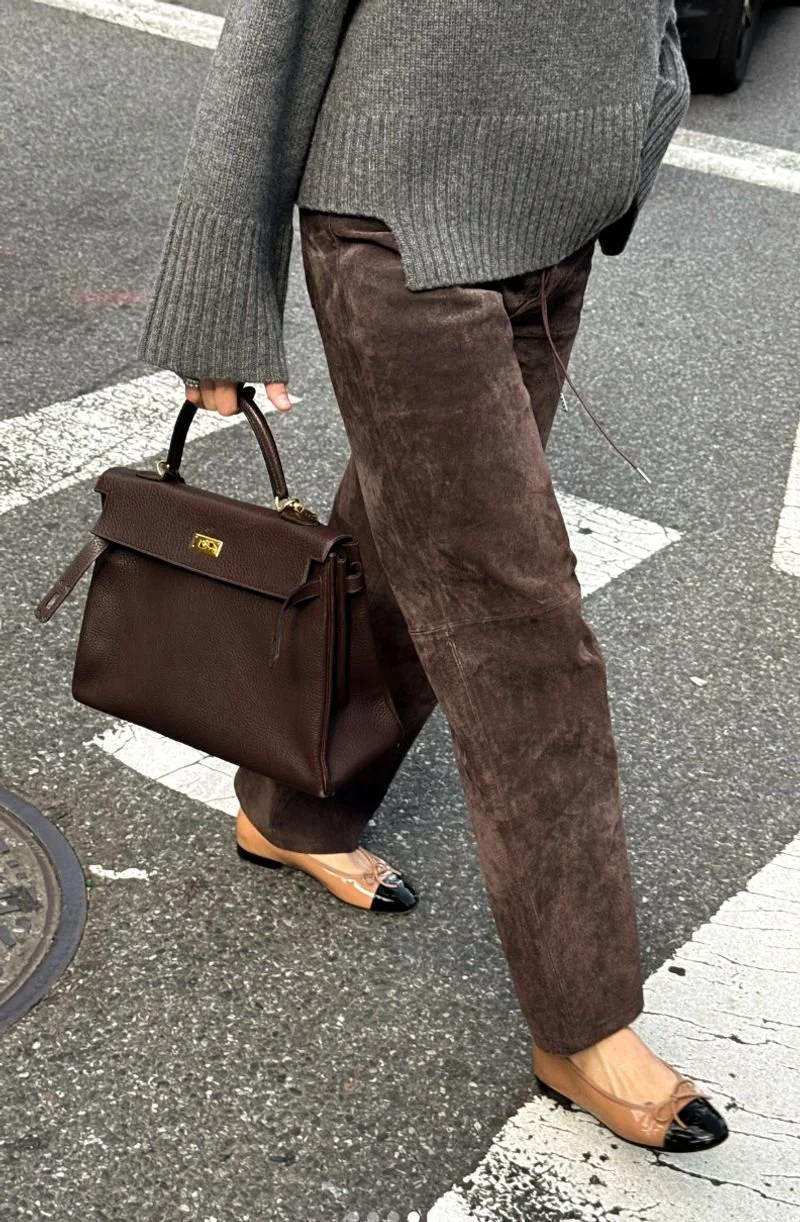
Things to Look For:
Wool or Wool blends – Perfect for blazers, trousers, and suits. They hold their shape all day and drape elegantly without clinging.
Ponte knit – A slightly stretchy, thick fabric ideal for trousers or fitted dresses. Offers comfort while maintaining a polished silhouette.
Tweed or textured suiting fabrics – Communicate sophistication and can add visual interest without being flashy.
Silks or Cotton - Luxurious and comfortable, both are breathable and suitable for all offices.
Tip: Avoid very soft, thin, or flimsy fabrics for outer layers or suits—they tend to wrinkle and can look too casual and shapeless.
Invest in Fabric that Breathes to Dress Professionally and Comfortably
No matter how good you look, if you're not comfortable, you won't be productive at the office!
This is especially important when it comes to trousers, skirts, and dresses.
Look for garments with:
A bit of elastane (2-5% is a lot)
Knitted or ribbed fabrics maintain their shape while also moving with you
Avoid overly rigid or thick fabrics in your first layers

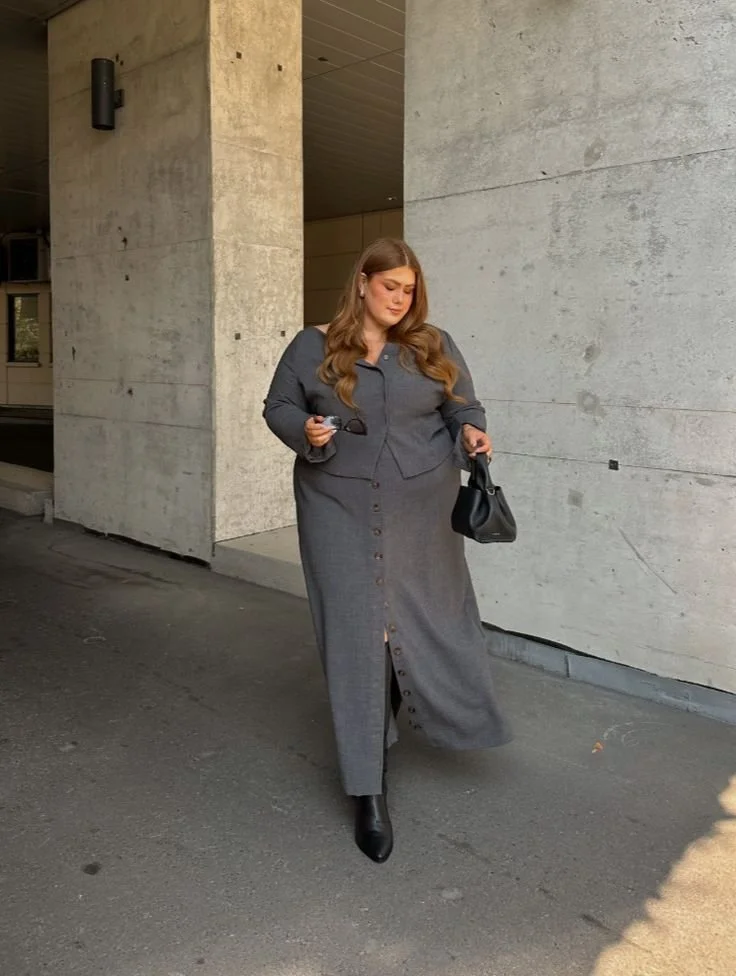
Dressing professionally for the office is more than just looking the part and investing in clothes that are practical.
Dressing Comfortably for the Seasons and Investing in Seasonal Clothes and Fabrics
Another way to stay comfortable when dressing for the office is to switch up your fabrics with the changing seasons.
Different fabrics have drastically different feels.
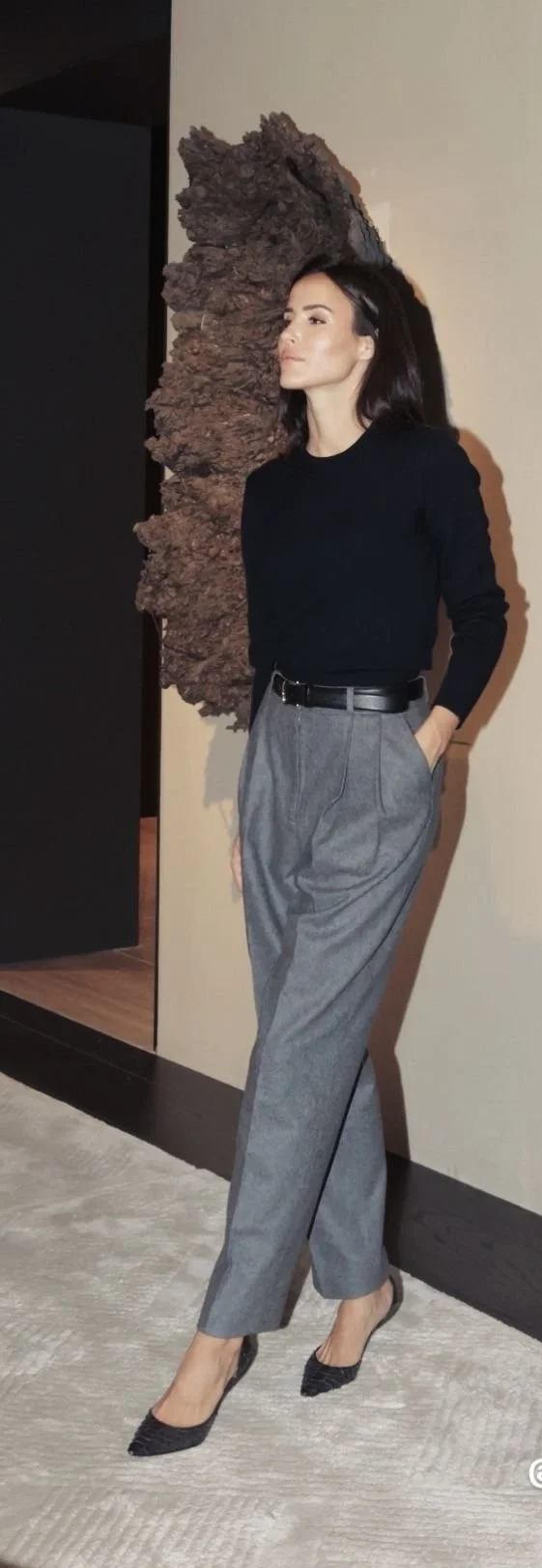
Winter: Wool, tweed, velvet, heavier knits.
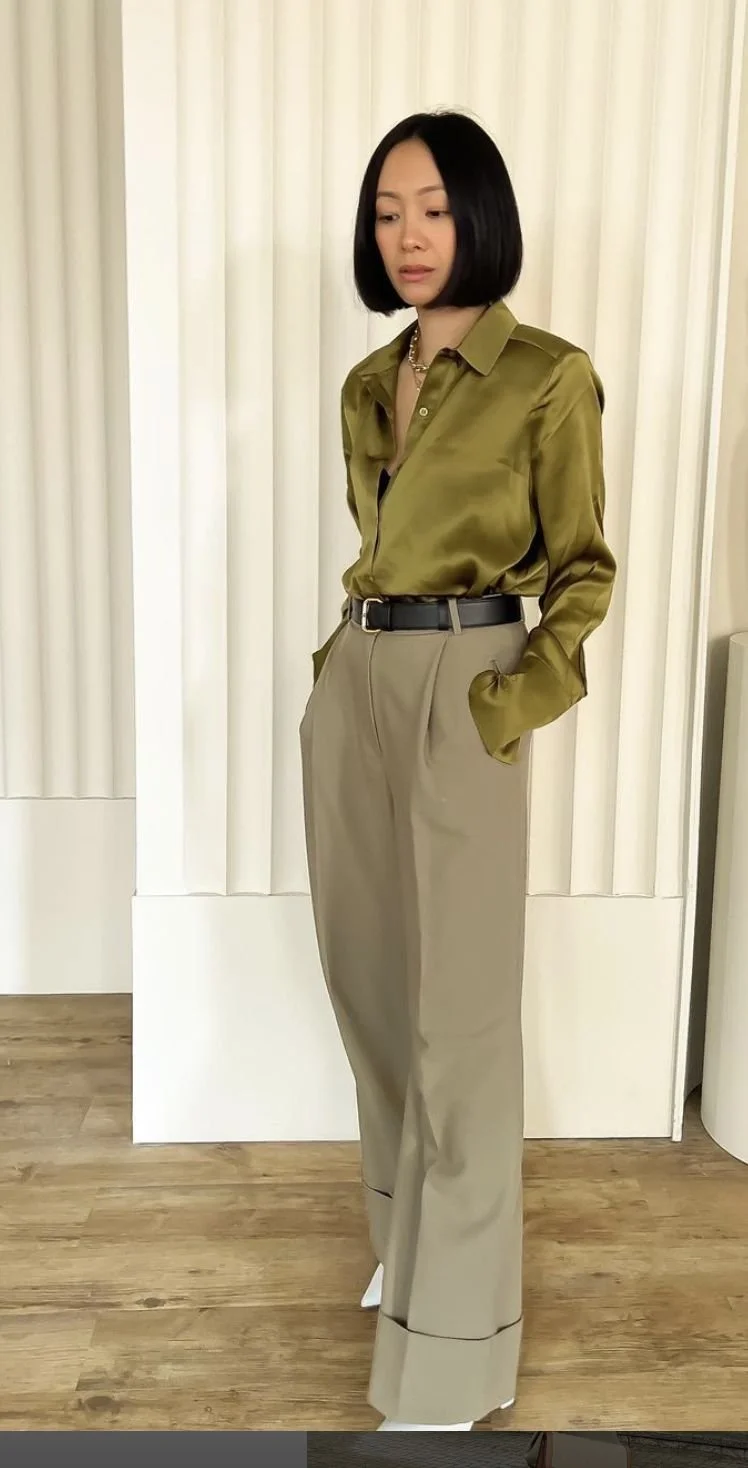
Summer: Lightweight wool, silk, linen blends (preferably wrinkle-resistant).
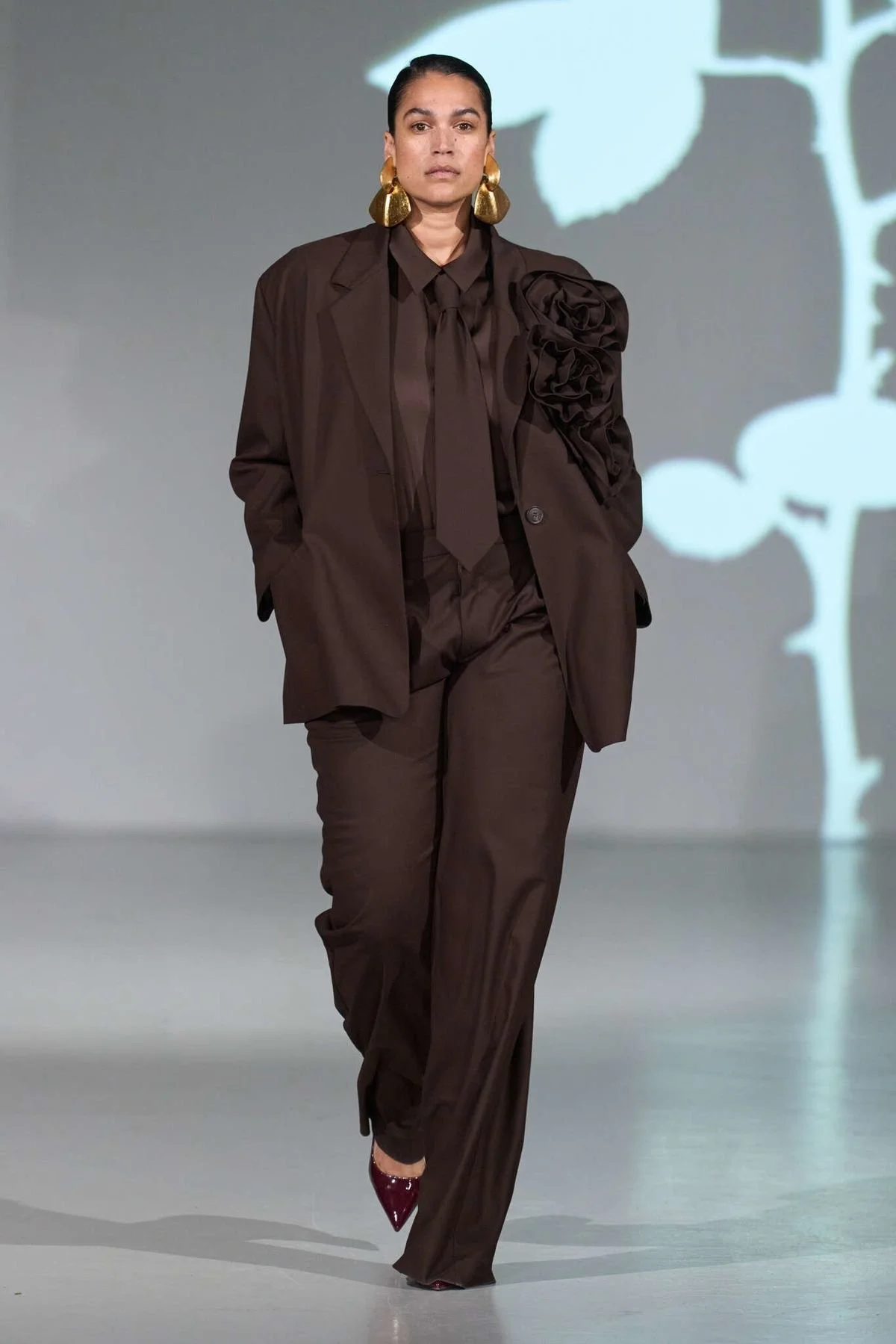
Textures: Subtle herringbone, pinstripe, or crepe add depth to outfits without being distracting or adding weight.
Fabrics are not just about comfort—they define the feel and perception of your entire outfit.
Choosing structured, high-quality, and seasonally appropriate materials ensures your executive presence is commanding, polished, and confident.
Think of fabrics as silent allies that elevate every outfit without demanding attention, allowing your authority to speak for itself.